Compact Iron Core Direct Drive Components for Fast-Response Precision Motion The WJM Series is a compact iron core linear motor mover & stator range developed for precision direct drive systems requiring fast response, stable thrust and flexible machine integration. WJM provides the core electromagnetic drive components and should be integrated with suitable guideways, encoder feedback, servo drives and controllers according to the required load, stroke, speed, acceleration and positioning accuracy.

Maximum speed up to 5m/s, acceleration up to 10G

Repeat positioning accuracy up to ±0.1μm

Cog-free operation, smooth and quiet

Non-contact motion, no mechanical wear
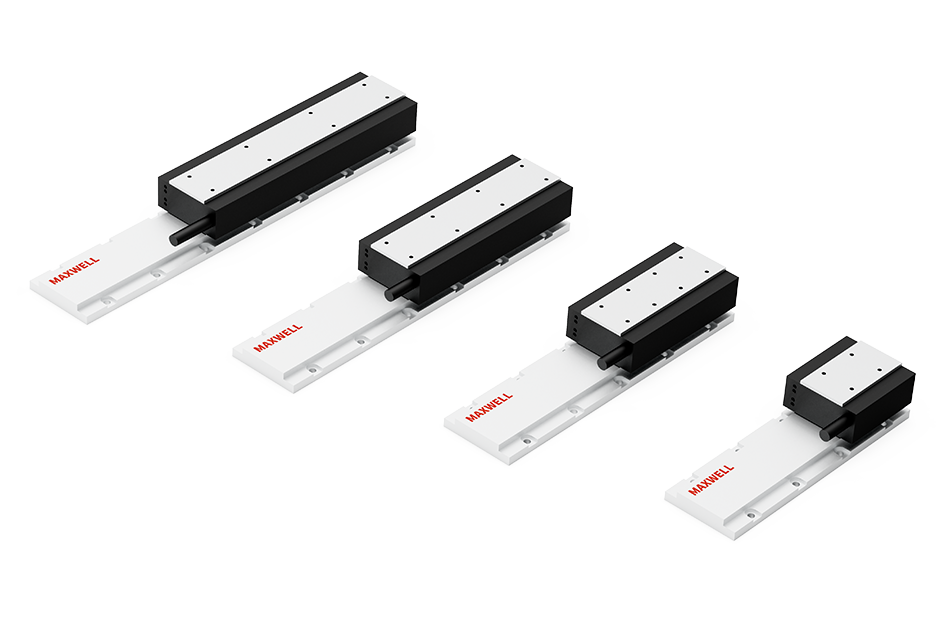
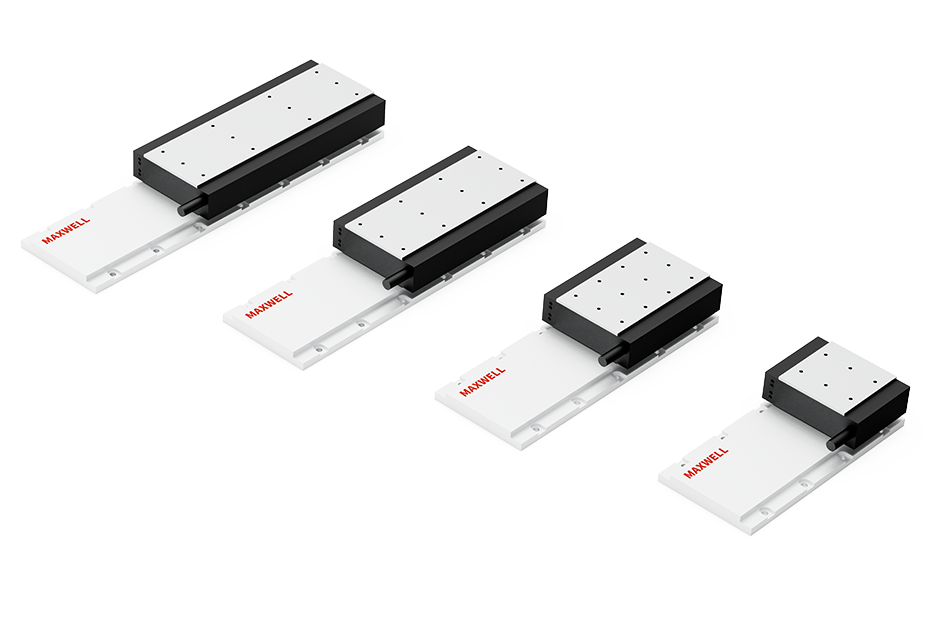
Continuous thrust:117N~430N
Peak thrust:117N~868N
Motive width:50mm
Motor length:1:56mm/2:96mm/3:176mm
Stator width:50mm
Stator length:L80mm/L200mm/L400mm
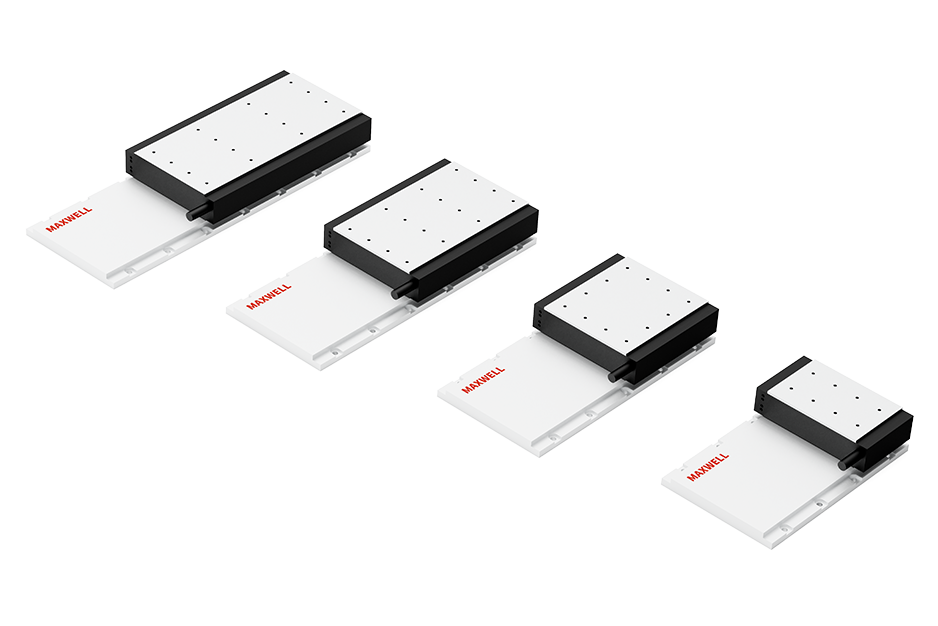
Continuous thrust:76N~240N
Peak thrust:201N~750N
Motive width:75mm
Motor length:1:56mm/2:96mm/3:176mm
Stator width:75mm
Stator length:L80mm/L200mm/L400mm
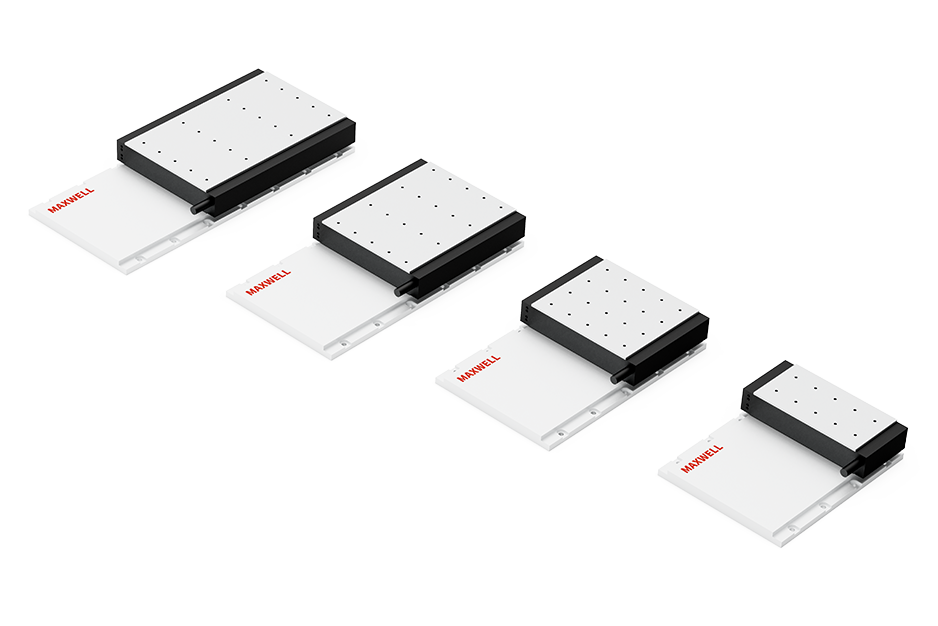
Continuous thrust:113N~360N
Peak thrust:300N~1120N
Motive width:100mm
Motor length:1:56mm/2:96mm/3:176mm
Stator width:100mm
Stator length:L80mm/L200mm/L400mm
Continuous thrust:145N~460N
Peak thrust:384N~1420N
Motive width:125mm
Motor length:1:56mm/2:96mm/3:176mm
Stator width:125mm
Stator length:L80mm/L200mm/L400mm
Application suitability must be confirmed against load, force, travel, speed, acceleration, accuracy, environment and duty cycle.
Application suitability must be confirmed against load, force, travel, speed, acceleration, accuracy, environment and duty cycle.
Application suitability must be confirmed against load, force, travel, speed, acceleration, accuracy, environment and duty cycle.
| Image location | Replace English |
|---|---|
| Overall product diagram | NK Series Steel Belt Linear Motor Stage |
| Internal structure diagram | Integrated Direct Drive Linear Motor Stage Structure |
| Steel strip structure diagram | Steel Belt Protection Design |
Application suitability must be confirmed against load, force, travel, speed, acceleration, accuracy, environment and duty cycle.
Application suitability must be confirmed against load, force, travel, speed, acceleration, accuracy, environment and duty cycle.
Application suitability must be confirmed against load, force, travel, speed, acceleration, accuracy, environment and duty cycle.
Application suitability must be confirmed against load, force, travel, speed, acceleration, accuracy, environment and duty cycle.
WJM Series provides compact iron core mover and stator components for precision direct drive systems. It is the motor component rather than a complete linear motor stage.
Choose WJM for compact medium-force precision motion; choose WKM when substantially higher continuous and peak thrust are required.
A complete stage typically requires WJM mover & stator, guideway, encoder feedback, servo drive, controller, machine base and cable management.
WJM is suitable for laser, electronics assembly, inspection and precision measurement systems.
Cooling depends on continuous force, duty cycle, ambient temperature and installation conditions.
Select encoder resolution and guide rigidity according to positioning accuracy, repeatability, speed and settling requirements.